
A cavity that forms in a back molar often starts in a spot no toothbrush can fully reach. The deep grooves on the chewing surface of a molar trap food particles and bacteria, and even careful brushing can miss the bottom of these tiny pits. Over time, this creates the perfect environment for decay to take hold, especially in children whose brushing habits are still developing and in adults juggling busy schedules that make thorough oral care harder to maintain.
At Johns Creek Dental Associates, we recommend dental sealants as a simple way to add an extra layer of protection where cavities are most likely to start. This treatment is quick, comfortable, and works for patients of nearly any age. Below, we explain what dental sealants are, how they work, and who can benefit from them.
What Are Dental Sealants?
A dental sealant is a thin, protective coating applied directly to the chewing surfaces of the back teeth, usually the molars and premolars. Once applied, the sealant hardens and forms a smooth barrier over the natural grooves and pits of the tooth. This barrier keeps food debris and bacteria from settling into these hard-to-clean areas, which lowers the risk of decay forming in that spot.
The application process is fast and does not require any drilling or anesthesia. Our team cleans and dries the tooth, applies the sealant material, and then hardens it with a special light. Most patients are in and out of the chair in a matter of minutes, and normal eating and drinking can resume right away.
How Effective Are Dental Sealants?
Sealants are one of the most well-supported preventive treatments in dentistry, and the research backs this up. According to the Centers for Disease Control and Prevention, sealants applied soon after the adult molars come in can prevent up to 80 percent of cavities for two years and continue to protect against 50 percent of cavities for up to four years. The agency also notes that children aged 6 to 11 without sealants are almost three times more likely to develop cavities in their molars than children who have them.
These numbers matter because molars have the deepest grooves of any teeth in the mouth, making them the most vulnerable to decay. A sealant essentially closes off that vulnerability before a cavity has the chance to form, which can save patients from more invasive and costly treatment down the road.
Do Children Need Dental Sealants?
Children are often the first group that comes to mind when discussing sealants, and for good reason. The first permanent molars typically emerge around age six, followed by the second molars around age twelve. These newly erupted teeth have deep grooves and thinner enamel, making them especially prone to early decay.
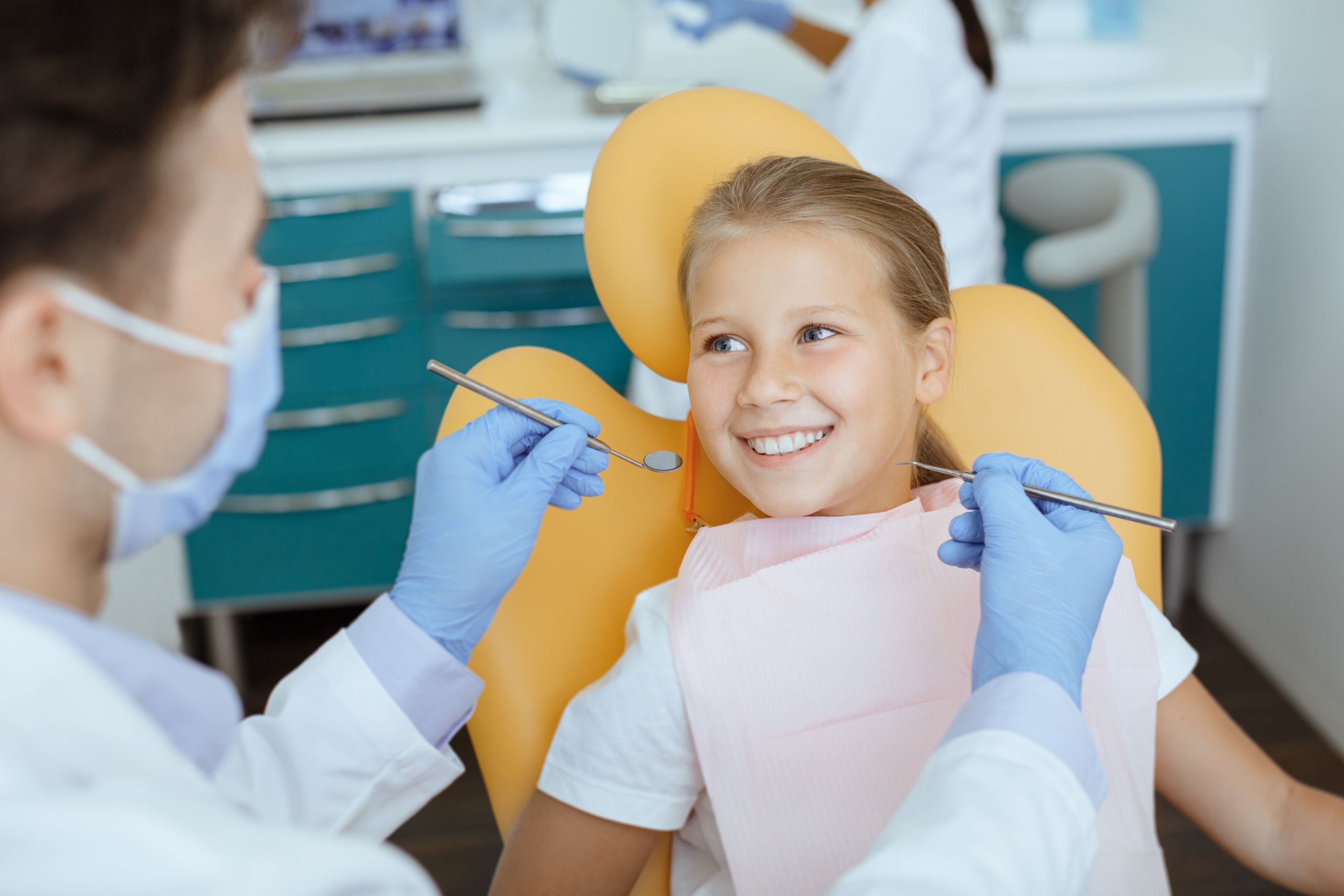
Applying sealants shortly after these molars come in gives children an added layer of protection during years when brushing habits are still developing. Our pediatric dentistry team often recommends sealants alongside regular checkups and fluoride treatments as part of a complete prevention plan for young patients.
Can Adults Benefit From Sealants Too?
While sealants are commonly associated with childhood dental care, adults can benefit from them as well. Any adult with deep grooves in their molars, a history of cavities, or difficulty reaching certain back teeth with a toothbrush may be a good candidate. Sealants can be a helpful addition for patients who want extra protection without more invasive restorative work.
Sealants are not a replacement for daily brushing and flossing or for routine dental visits. Instead, they work alongside good oral hygiene as one more tool to reduce the risk of decay in the areas most prone to it. Our preventive dentistry services are built around this kind of layered approach, combining sealants, cleanings, and other treatments to protect your smile from multiple angles.
What Happens During a Sealant Appointment?
A sealant appointment is straightforward and typically fits into a routine visit. The process generally includes the following steps.
- The tooth is cleaned and dried to prepare the surface for the sealant material
- The sealant liquid is painted directly onto the chewing surface of the tooth
- A curing light hardens the material within seconds
- The bite is checked to confirm the sealant feels comfortable and natural
Once the appointment is complete, patients can eat, drink, and go about their day without restriction. Many patients pair sealant visits with a professional cleaning to keep the whole mouth protected in one visit rather than scheduling separate appointments.
How Long Do Dental Sealants Last?
Sealants are durable, but they are not permanent. With proper care, they can last for several years before needing to be checked or reapplied. Regular dental visits allow our team to monitor the condition of existing sealants and confirm they are still providing a solid barrier against decay.
If a sealant begins to wear down or chip, it can usually be repaired or replaced without much difficulty. This is one reason why routine checkups matter so much, even after sealants have been placed. Catching a worn sealant early keeps the protective barrier intact and avoids leaving a molar exposed to decay.
Trust Johns Creek Dental Associates With Your Family’s Smiles
Whether you are considering sealants for your child’s newly erupted molars or wondering if they might help protect your own teeth, our team at Johns Creek Dental Associates is here to walk you through the options. We combine modern preventive tools with a genuinely welcoming approach to care, so patients of every age feel comfortable asking questions and making informed decisions about their oral health.
If you would like to learn more about dental sealants or schedule an appointment for yourself or your child, we invite you to contact us today. Our team is ready to help you find the right preventive plan to keep every smile in your family healthy for years to come.