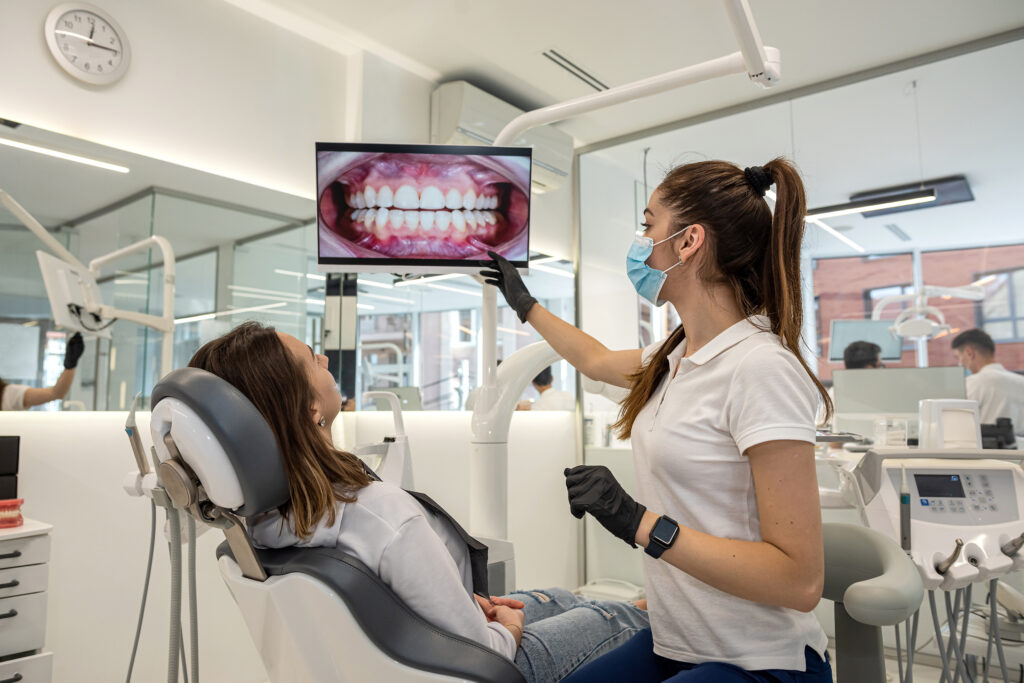

Waking up with a tight jaw or a dull headache that never quite goes away can make even simple things, like chewing breakfast, feel exhausting. If this sounds familiar, you are likely one of many adults dealing with the effects of teeth grinding or a temporomandibular joint (TMJ) disorder, and you deserve relief that actually works.
At Johns Creek Dental Associates, we help patients throughout the Johns Creek community find lasting comfort from jaw tension, and Botox has become one of the options we discuss during comprehensive dental examinations. We take time to understand what is driving your discomfort so we can talk through every option available to you, including this one, in the context of your overall oral health.
Understanding TMJ Disorders and Bruxism
TMJ disorders affect the joint connecting your jaw to your skull, and they often show up alongside bruxism, which is the medical term for chronic teeth grinding or clenching. The two conditions frequently feed into each other. Grinding places repeated strain on the jaw joint and surrounding muscles, and that strain can trigger or worsen TMJ pain over time.
Common symptoms include a sore or tired jaw when you wake up, clicking or popping when you open your mouth, headaches that start near the temples, and even neck or shoulder tension. Stress is a frequent trigger for both conditions, which is part of why they tend to show up or intensify during especially demanding seasons of life.
Why Grinding Often Goes Unnoticed
Many patients grind their teeth at night without ever realizing it, since the behavior happens during sleep. It is often a partner, a family member, or a dentist who notices the signs first, whether that is worn enamel, small cracks, or unusual jaw muscle tension found during a routine visit.
How Botox Can Help With TMJ and Bruxism
Botox works by temporarily relaxing the muscles most responsible for clenching and grinding, primarily the masseter muscle along the jawline. When those muscles receive smaller signals to contract, the intensity of grinding episodes decreases, which can ease the strain on the jaw joint itself.
Research on this approach has grown substantially over the past several years. A clinical evidence review examining botulinum toxin for temporomandibular disorders found supportive evidence for its use in related muscular conditions, reflecting the kind of data that has encouraged more dental providers to offer it as part of a broader treatment plan.
What the Treatment Process Looks Like
The injections themselves are quick, typically completed in a single office visit. Most patients describe the sensation as similar to a routine dental injection, and there is no downtime required afterward. Results are not immediate. It generally takes several days to a couple of weeks for the muscle-relaxing effects to become noticeable, and they tend to last a few months before a follow-up treatment is needed.
Combining Botox With Other Approaches to Jaw Relief
Botox rarely stands alone as a solution. We often recommend pairing it with other supportive tools to give your jaw the best chance at lasting relief.
- Night guards: A custom-fitted appliance worn while you sleep helps cushion your teeth from the force of grinding and takes pressure off the jaw joint.
- Stress management: Because clenching is so closely tied to stress, techniques like better sleep habits or relaxation practices can reduce how often grinding occurs.
- Bite adjustments: In some cases, correcting how your teeth meet can reduce the mechanical triggers behind chronic grinding.
- Regular monitoring: Routine visits allow us to track wear patterns and adjust your plan as your symptoms change.
Bringing these approaches together, rather than relying on any single fix, tends to produce more consistent and comfortable results for our patients.
Who Tends to Benefit Most
Patients with persistent jaw soreness, frequent morning headaches, or visible enamel wear from grinding are often good candidates for this conversation. Every mouth is different, though, which is why we always start with a thorough evaluation rather than assuming one treatment fits everyone.
Finding Relief With Johns Creek Dental Associates
Living with constant jaw tension or unexplained headaches wears on your daily life in ways that are easy to underestimate. We want our patients to feel heard when they describe these symptoms, and we take the time to map out a plan that reflects what is actually happening in your mouth and your day-to-day habits.
If jaw pain, grinding, or TMJ symptoms have been affecting you, we invite you to reach out through our contact page so we can schedule a visit and talk through whether Botox or another approach makes sense for your situation. Relief is possible, and we are glad to help you find the path that works best for your smile and your comfort.